
The Supreme Court, on February 20, ruled that President Donald Trump exceeded his authority by imposing sweeping tariffs under the International Emergency Economic Powers Act (IEEPA). The decision will have major implications on the Trump administration’s economic policymaking, the United States’ relationships with trading partners, the dynamic between the executive and the legislature, and for all sectors and businesses in the United States with exposure to international supply chains and in Asia with exposure to the U.S. market.
In this edition of Expert Corner, TAG experts offer preliminary assessments of the impact of the verdict:
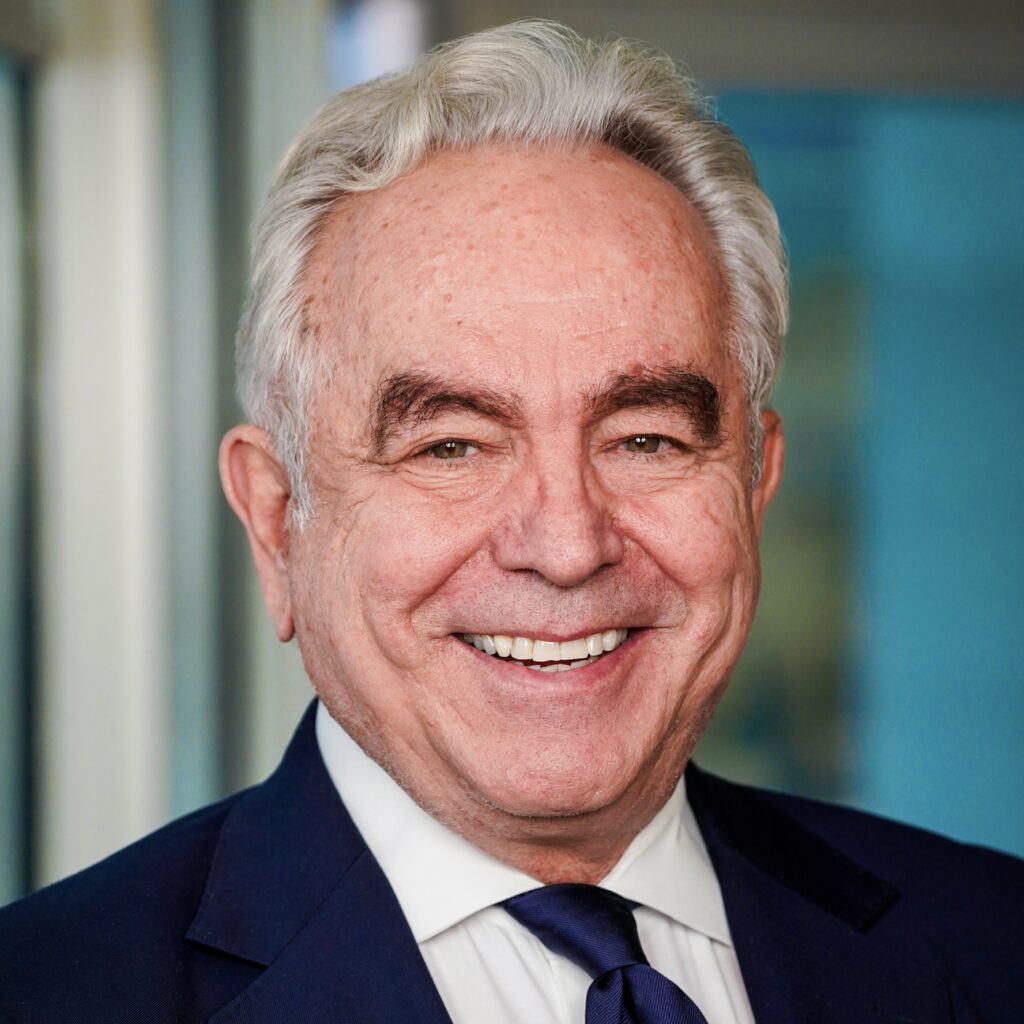 Kurt Campbell: The ruling pierces Trump’s seeming invincibility; for businesses, it means more uncertainty
Today’s Supreme Court decision on IEEPA is a landmark decision on the legality of the Trump administration’s decision to use various legal parameters to implement their economic vision, leaning heavily on both sanctions and tariffs. While the court’s decision is clear, the response from many of our key allies and partners reflects how many unanswered questions there are about the way ahead. What does this mean for redress, given some of the harm that has been done to certain economies and companies? Will the Trump administration seek to use other executive authorities to reinstitute similar tariffs? And how will upcoming visits and engagements, particularly the visit upcoming of the Japanese prime minister to the United States, and the president’s planned trip to China, be affected?
The truth is that the Trump administration anticipated these steps and were already exploring various executive authorities that can accomplish the same goals. The administration has continued to make it clear that exports continuing the same levels from other countries in the United States are unacceptable.
Still, the importance of this judgment is another step in piercing President Trump’s seeming invincibility. We have seen a series of domestic actions, including the withdrawal of Immigrations and Customs Enforcement from Minneapolis, various Republicans separating from the White House on domestic legislation, and now the Supreme Court basically hollowing out the most important plank on President Trump’s economic vision. Congress has already signaled its discomfort with the tariff policies. If anything, I believe that key players on Capitol Hill, both some Republicans and the entirety of the Democratic Party, will reaffirm this decision, and it will be hard to pass any legislation that in some way reconstitutes these authorities.
This is significant at a time that the president seeks to head into midterm elections with a head full of steam. Instead, this raises many more questions than answers. For businesses, there is still considerable uncertainty, not only about how this ruling will be interpreted, but also what the administration will do to try to counteract it.

Nirav Patel: White House will use other tools. Businesses need to invest in scenario planning.
The Trump administration has shown it can absorb setbacks and move fast. Today’s ruling was anticipated inside the White House, and it is unlikely to slow momentum. The coming weeks are likely to bring new trade and tariff actions aimed at preserving executive leverage over trade and geopolitics. Any celebration of this decision may be brief. For businesses, the need to reinvest in strategic intelligence and scenario planning around alternative trade measures has arrived sooner than expected. Rather than clarity, today’s ruling may usher in a new period of volatility.

Rexon Ryu: Watch out for Trump’s China visit, Japan’s investment commitments, and debates around U.S. Congressional authority.
The immediate impact of this ruling is a sharp injection of uncertainty, particularly for U.S. trading partners in Asia who are likely to adopt a cautious, wait-and-see approach. Given months of anticipation of this ruling, allies and partners are likely expecting that the administration has developed fallback options. A key takeaway for companies is that countries are unlikely to unwind bilateral arrangements reached over the last year.
Three key watch points that we are highlighting for our clients at The Asia Group: First, perhaps the biggest near-term implication is for the lead-up to the president’s upcoming visit to China, where tariffs had been a central source of leverage and the recalibration of strategy will matter greatly. Second, Japan – with Prime Minister Sanae Takaichi visiting in March, will Tokyo proceed apace with announcements of foreign direct investment into the United States? Third, Congress – will the court’s decision prompt new debates of legislative authority on trade that could play out over weeks or months?
 Dan Kritenbrink: Asian partners will be cautious. Agreements will broadly hold.
A cautious response to today’s ruling is the right one, and it’s what I expect to see from both international partners and businesses. While the decision represents a setback and complicates the president’s trade agenda, the administration’s framework and objectives — reducing trade deficits, reshoring supply chains, and incentivizing U.S. investment and manufacturing — remain unchanged. Although alternative trade tools are not a one‑to‑one replacement for IEEPA-related tariffs and are more limited in scope, the administration still has multiple ways to generate leverage in ongoing trade talks.
I would expect most Asian partners to proceed cautiously, with existing agreements largely holding as both sides work through the implications in the coming weeks. Key near-term watchpoints include the impact on Japan ahead of Prime Minister Takaichi’s visit to Washington and how this reshapes leverage going into President Trump’s upcoming visit to China.

Brett Fetterly: The verdict may trigger greater Congressional resistance to White House on tariffs.
The court’s decision limiting presidential tariff authority leaves the White House with two options: politically pressure the Congress to grant expansive tariff power, possibly via a second reconciliation package, or pursue a patchwork of existing authorities to backfill lost leverage. Congressional Republicans are in a more precarious political position in February 2026 than they were in February 2025 and are much more sensitive to inflation-related electoral pressures driven by Trump’s tariff policy to date. Recent votes show a party less willing to fall in line. The ruling also complicates upcoming U.S.–China talks, and Trump’s planned trip to Beijing, by weakening tariff leverage and raising the risk that any moves to backfill reciprocal tariffs with alternative measures are seen as escalatory by the Chinese. As a result, the trip may shift from advancing a broad trade and commercial agenda to narrowly stabilizing tariff levels and preserving a fragile truce.

Jenny Schuch-Page: Partners may become more cautious in talks, selective on investment proposals.
It’s notable that energy purchases from the United States and investments in the U.S. energy sector to support the President’s energy dominance agenda have benefited from the bilateral trade talks and countries’ efforts to address trade imbalances. I could see Asian trade partners becoming more cautious and selective in many ongoing negotiations and investment proposal reviews to ensure the credibility of the economic rationale and bankability.

Media
Commentary
Expert Corner: What Does the Supreme Court Verdict on Trump’s Tariffs Mean for Businesses?
The Supreme Court, on February 20, ruled that President Donald Trump exceeded his authority by imposing sweeping tariffs under the International Emergency Economic Powers Act (IEEPA). The decision will have major implications on the Trump administration’s economic policymaking, the United States’ relationships with trading partners, the dynamic between the executive and the legislature, and for all sectors and businesses in the United States with exposure to international supply chains and in Asia with exposure to the U.S. market.
In this edition of Expert Corner, TAG experts offer preliminary assessments of the impact of the verdict:
Today’s Supreme Court decision on IEEPA is a landmark decision on the legality of the Trump administration’s decision to use various legal parameters to implement their economic vision, leaning heavily on both sanctions and tariffs. While the court’s decision is clear, the response from many of our key allies and partners reflects how many unanswered questions there are about the way ahead. What does this mean for redress, given some of the harm that has been done to certain economies and companies? Will the Trump administration seek to use other executive authorities to reinstitute similar tariffs? And how will upcoming visits and engagements, particularly the visit upcoming of the Japanese prime minister to the United States, and the president’s planned trip to China, be affected?
The truth is that the Trump administration anticipated these steps and were already exploring various executive authorities that can accomplish the same goals. The administration has continued to make it clear that exports continuing the same levels from other countries in the United States are unacceptable.
Still, the importance of this judgment is another step in piercing President Trump’s seeming invincibility. We have seen a series of domestic actions, including the withdrawal of Immigrations and Customs Enforcement from Minneapolis, various Republicans separating from the White House on domestic legislation, and now the Supreme Court basically hollowing out the most important plank on President Trump’s economic vision. Congress has already signaled its discomfort with the tariff policies. If anything, I believe that key players on Capitol Hill, both some Republicans and the entirety of the Democratic Party, will reaffirm this decision, and it will be hard to pass any legislation that in some way reconstitutes these authorities.
This is significant at a time that the president seeks to head into midterm elections with a head full of steam. Instead, this raises many more questions than answers. For businesses, there is still considerable uncertainty, not only about how this ruling will be interpreted, but also what the administration will do to try to counteract it.
Nirav Patel: White House will use other tools. Businesses need to invest in scenario planning.
The Trump administration has shown it can absorb setbacks and move fast. Today’s ruling was anticipated inside the White House, and it is unlikely to slow momentum. The coming weeks are likely to bring new trade and tariff actions aimed at preserving executive leverage over trade and geopolitics. Any celebration of this decision may be brief. For businesses, the need to reinvest in strategic intelligence and scenario planning around alternative trade measures has arrived sooner than expected. Rather than clarity, today’s ruling may usher in a new period of volatility.
Rexon Ryu: Watch out for Trump’s China visit, Japan’s investment commitments, and debates around U.S. Congressional authority.
The immediate impact of this ruling is a sharp injection of uncertainty, particularly for U.S. trading partners in Asia who are likely to adopt a cautious, wait-and-see approach. Given months of anticipation of this ruling, allies and partners are likely expecting that the administration has developed fallback options. A key takeaway for companies is that countries are unlikely to unwind bilateral arrangements reached over the last year.
Three key watch points that we are highlighting for our clients at The Asia Group: First, perhaps the biggest near-term implication is for the lead-up to the president’s upcoming visit to China, where tariffs had been a central source of leverage and the recalibration of strategy will matter greatly. Second, Japan – with Prime Minister Sanae Takaichi visiting in March, will Tokyo proceed apace with announcements of foreign direct investment into the United States? Third, Congress – will the court’s decision prompt new debates of legislative authority on trade that could play out over weeks or months?
A cautious response to today’s ruling is the right one, and it’s what I expect to see from both international partners and businesses. While the decision represents a setback and complicates the president’s trade agenda, the administration’s framework and objectives — reducing trade deficits, reshoring supply chains, and incentivizing U.S. investment and manufacturing — remain unchanged. Although alternative trade tools are not a one‑to‑one replacement for IEEPA-related tariffs and are more limited in scope, the administration still has multiple ways to generate leverage in ongoing trade talks.
I would expect most Asian partners to proceed cautiously, with existing agreements largely holding as both sides work through the implications in the coming weeks. Key near-term watchpoints include the impact on Japan ahead of Prime Minister Takaichi’s visit to Washington and how this reshapes leverage going into President Trump’s upcoming visit to China.
Brett Fetterly: The verdict may trigger greater Congressional resistance to White House on tariffs.
The court’s decision limiting presidential tariff authority leaves the White House with two options: politically pressure the Congress to grant expansive tariff power, possibly via a second reconciliation package, or pursue a patchwork of existing authorities to backfill lost leverage. Congressional Republicans are in a more precarious political position in February 2026 than they were in February 2025 and are much more sensitive to inflation-related electoral pressures driven by Trump’s tariff policy to date. Recent votes show a party less willing to fall in line. The ruling also complicates upcoming U.S.–China talks, and Trump’s planned trip to Beijing, by weakening tariff leverage and raising the risk that any moves to backfill reciprocal tariffs with alternative measures are seen as escalatory by the Chinese. As a result, the trip may shift from advancing a broad trade and commercial agenda to narrowly stabilizing tariff levels and preserving a fragile truce.
Jenny Schuch-Page: Partners may become more cautious in talks, selective on investment proposals.
It’s notable that energy purchases from the United States and investments in the U.S. energy sector to support the President’s energy dominance agenda have benefited from the bilateral trade talks and countries’ efforts to address trade imbalances. I could see Asian trade partners becoming more cautious and selective in many ongoing negotiations and investment proposal reviews to ensure the credibility of the economic rationale and bankability.
Listen on:
Related Posts
Jennifer Lee in Financial Times on the ROK investment announcement
Han in The Guardian: Foie gras, live dolphins and toasters: China and US cut reciprocal tariffs on $30bn each of goods
Colonel (Ret.) Shailender S. Arya in Mint on India’s surveillance satellite program
George Chen in CNN International on the growing U.S.-China AI competition